Operating System

Turning my Table towards FOSS || Linux || Cloud Technology Aspirant || AWS || Internet Surfer || Idealist || Evolving Day By Day || Fitness Enthusiast || Chess Player
Hello Everyone😊
This article discusses the operating system and its history and more specifically the history of the Linux Operating System, its distributions, Why Linux is needed, and highlighted why the Linux OS is highly preferred over other OS for deploying applications, and servers in real-time environments.
Operating System
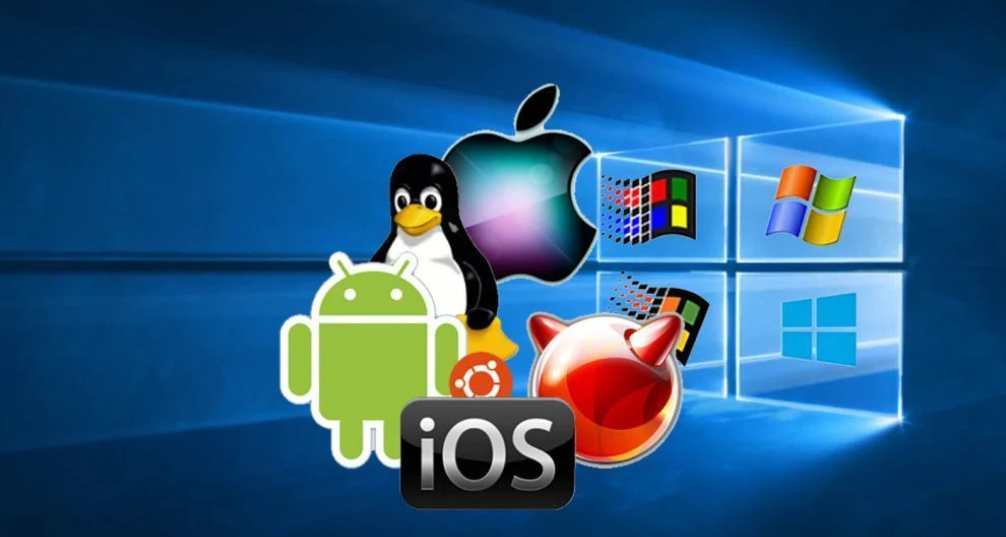
Operating System is software that acts as an interface between the user and the computer hardware components. Every computer/ Laptop/ Virtual Machine/ EC2 in AWS comes with any one of the operating systems. Operating System provides a platform/ environment for deploying/ running any applications/ servers in the computer. There are various major operating systems available in the market and a few are listed below
Linux
Windows
macOS
iOS
Android
History of Operating System
In the late 1950s, General Motors found the first operating system of computers for the IBM 701.
Later in the mid of 1960s, Operating Systems came up with the concept of disk storage.
Then, In the late 1960s, the first version of UNIX OS came into the market.
After many years in 1981, Microsoft Corporation introduced the operating system called MS-DOS (Disk Operating Storage).
Finally, In 1985, the Microsoft corporation introduced the version of MS Windows OS, which is commercial software and we are currently using it for our personal computers/ laptops. MS Windows is a single-user-based OS, which means only one user can access the system at a time and perform tasks in it.
History of Linux
Linus Torvalds, a Finnish software engineer was using the UNIX - MINIX operating system for his work and found out a few useful things that can be added to the operating system. He suggested his recommendations to the creator of Unix OS Andrew Tanenbaum. He immediately rejected his recommendations without considering them. So, Linus Torvalds started working on the Minix version to add his features to the OS and released it as Free and Open Source Software (FOSS) in 1991 to the user's community. So, If anyone wants to add any other features to it as they feel, they can use the source code available in the repository and they can build on top of the basic Linux OS.
Linux Distributions
On top of basic Linux source code, enterprises/ users have created various versions of Linux with added features and made them available in the market for use. These different versions are called Linux distributions/ flavours. There are 200+ Linux distributions available in the market. The few prominent distributions are listed below
Centos
Red Hat Enterprise Linux (RHEL)
Fedora
Ubuntu
Debian
SUSE Linux
Arch Linux
Mandriva Linux
Gentoo Linux
Why Linux
Since All the applications/ servers are being installed in Linux OS, the usage of Linux has expanded to all the teams in an enterprise. This becomes the need in the market for all IT professionals to learn Linux in recent times. The few teams are listed down with a scenarios
Development Team: To understand and fix the issue in the code, all the developers need Linux knowledge to connect to the Linux machine and navigate to the log file location.
Cloud Engineering Team: All the cloud Engineers need Linux knowledge to connect to the Linux machine and to create servers, storage, network, etc in the cloud.
DevOps Team: All the DevOps Engineers need Linux knowledge to connect to the Linux machine to deploy the applications and monitor them in the Linux servers.
Testing Team: All the Testing Engineers need Linux knowledge to connect to the Linux machine and to run the test script in the Linux servers.
Reasons Behind Choosing the Linux OS over the Other OS for Deploying the Applications in Real-time Environment
As discussed earlier in this article, there are various OS available and Linux is chosen over all the other OS for deploying the applications/ running the servers in the real-time environment there are a few reasons behind it. The reasons are listed below
Linux is a Free and Open Source Software (FOSS) and the source code is available free of cost for upgradation.
Linux is a community-based OS and lots of large communities/forums are available for discussion.
Linux is highly secure and there is no need for any additional third-party applications for security.
The most important reason is Linux is a multi-user-based operating system and so multiple users can connect to the Linux machine and perform multiple tasks at a time.
Hope this article gives you all the basic understanding of the Operating Systems, preference of Linux OS over the other and it's need in the market for all the IT professionals. I believe, this article triggers/ encourages you all to start learning Linux in the upcoming days. I am also in the process of learning and always learning. Good Luck and never stop learning in your life.
Always run behind the knowledge. Don't run behind the money, when we start doing it, we will lose our sanity.
Guys! If you all find this article useful/ relevant, kindly share/ repost and it can reach to all of your connections and somebody will get benefitted out of it and also don't forget to tag me. Keep Learning!!!😊👍🤞
Connect with me at Linkedin: https://www.linkedin.com/in/murugappanmurugappan/
#operatingsystems #historyofOS #linux #historyoflinux #linuxdistributions #needoflinux #keeplearning #knowledge #knowledgesharing